2
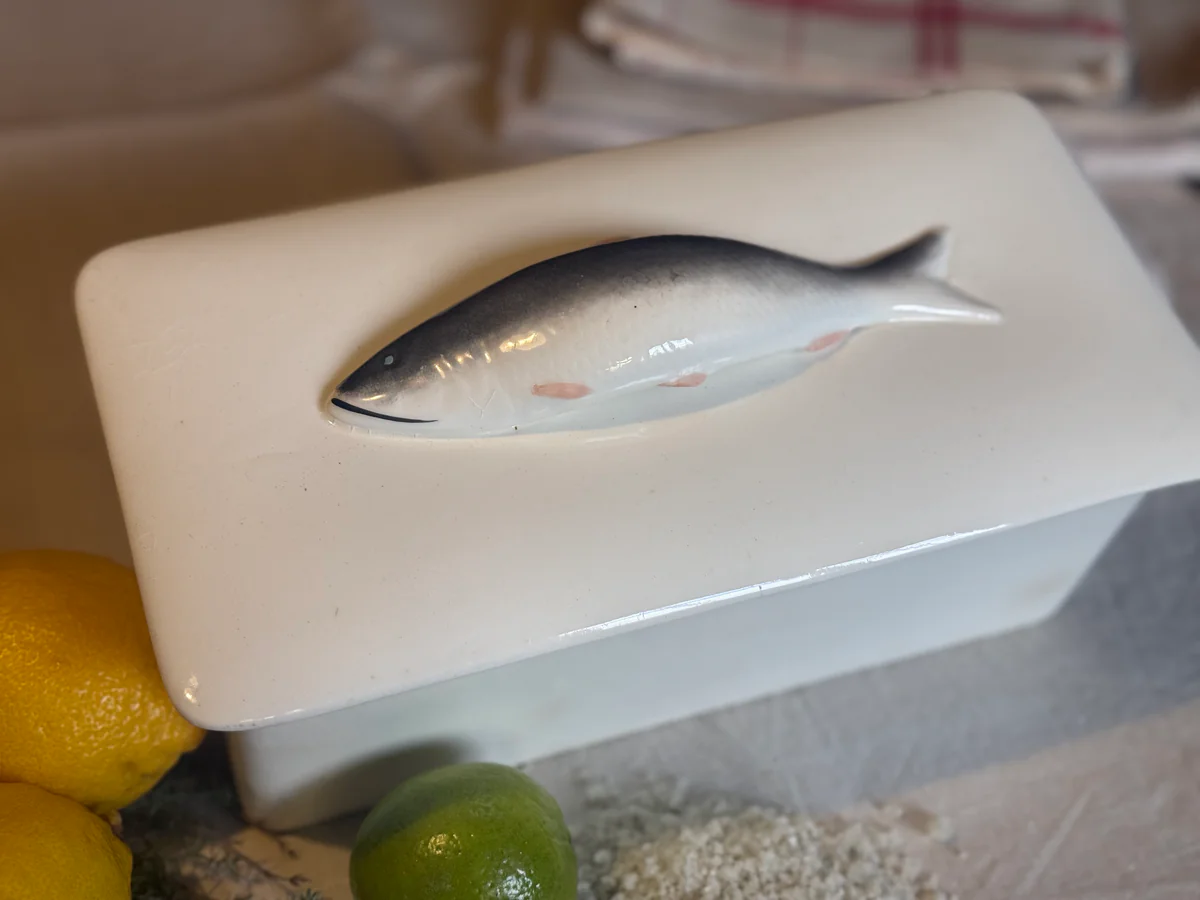
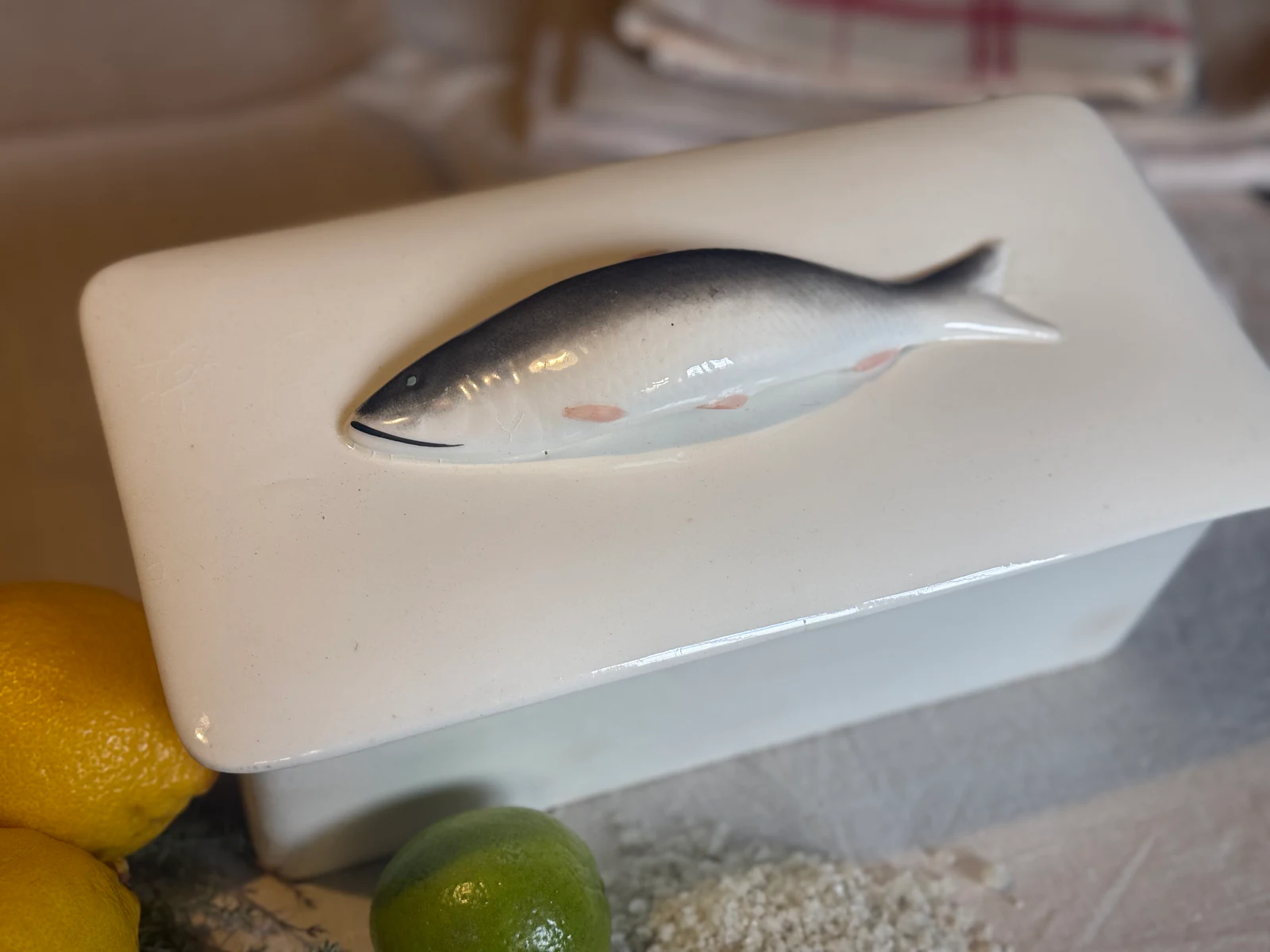
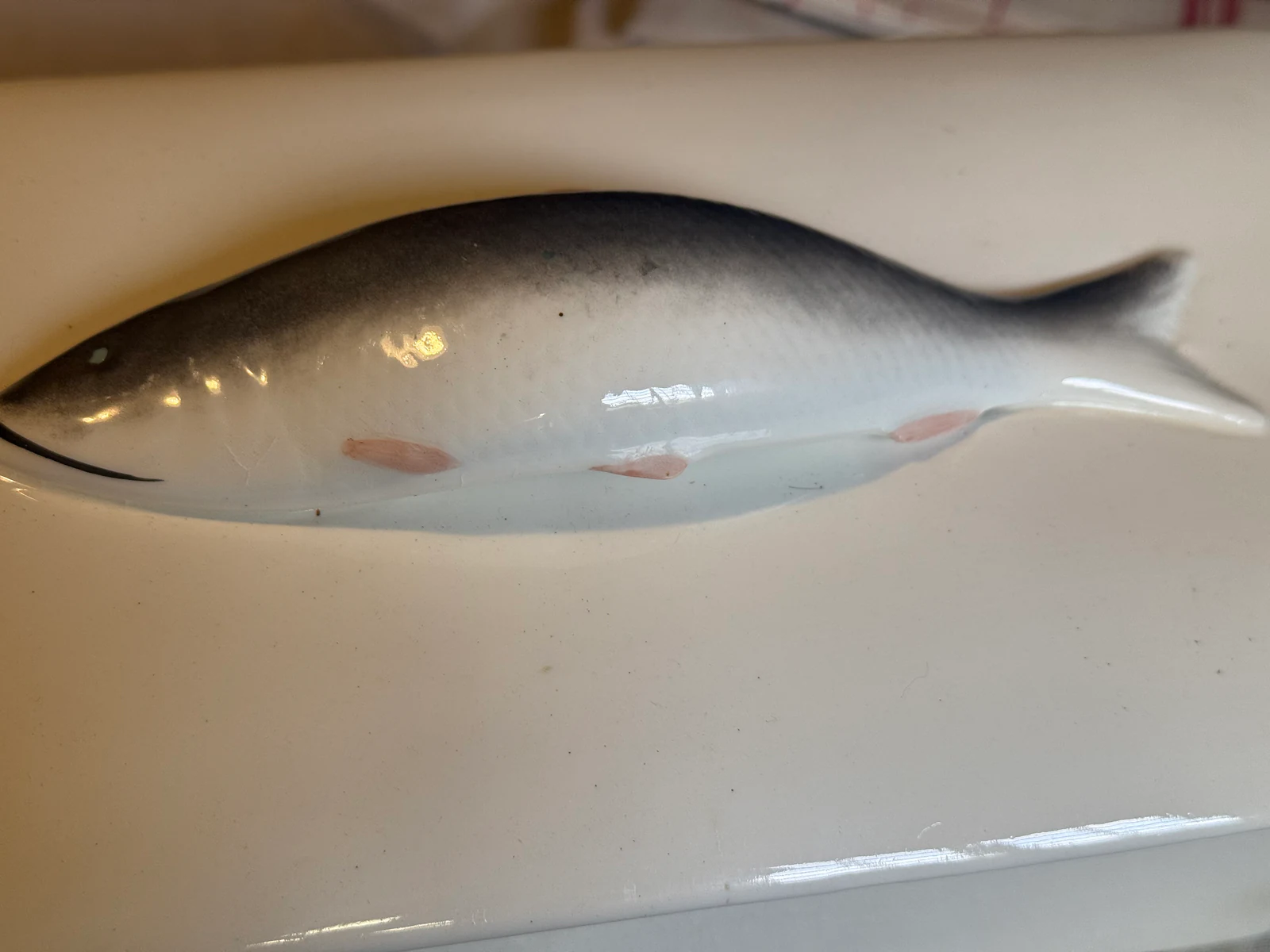
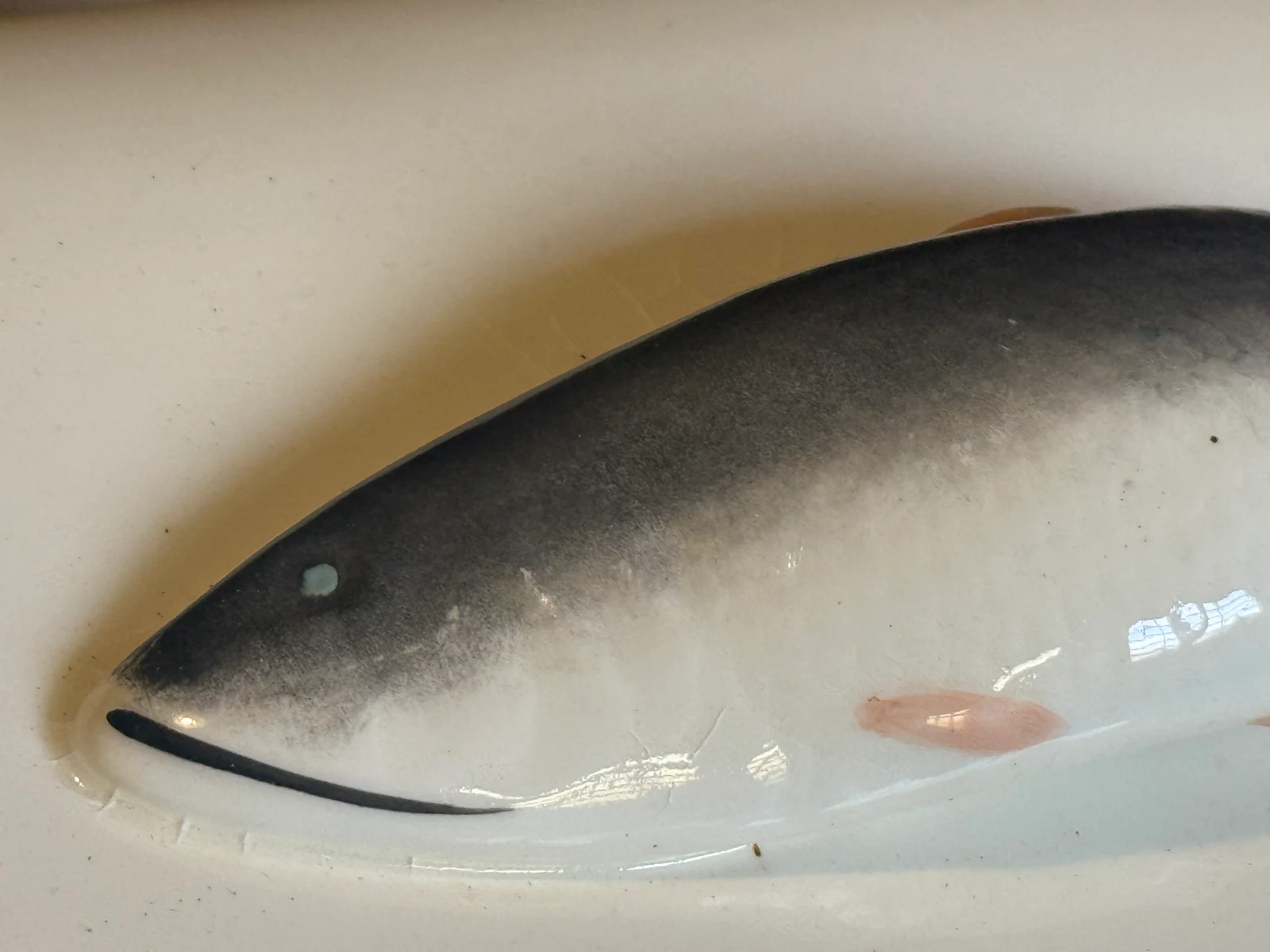
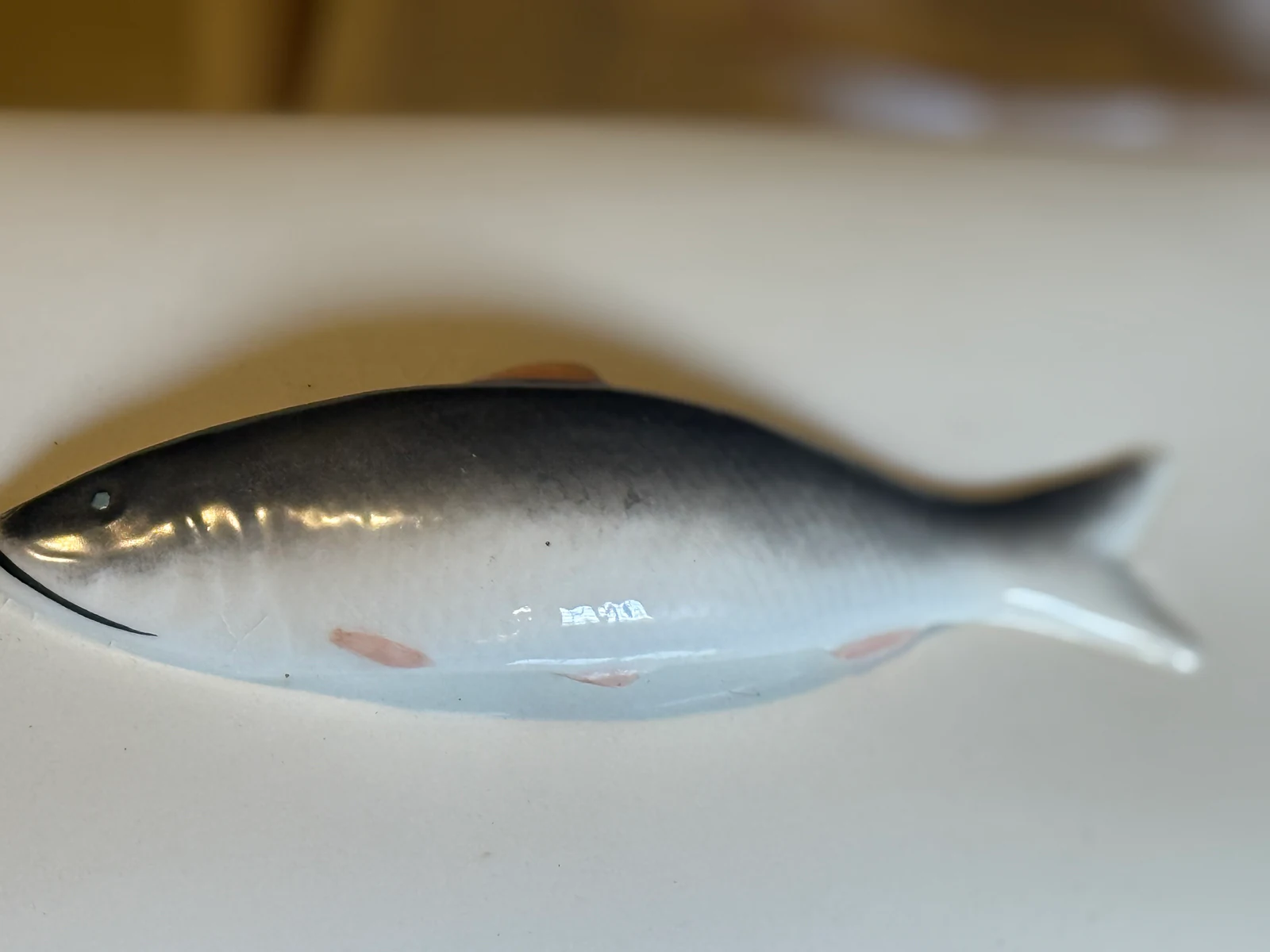
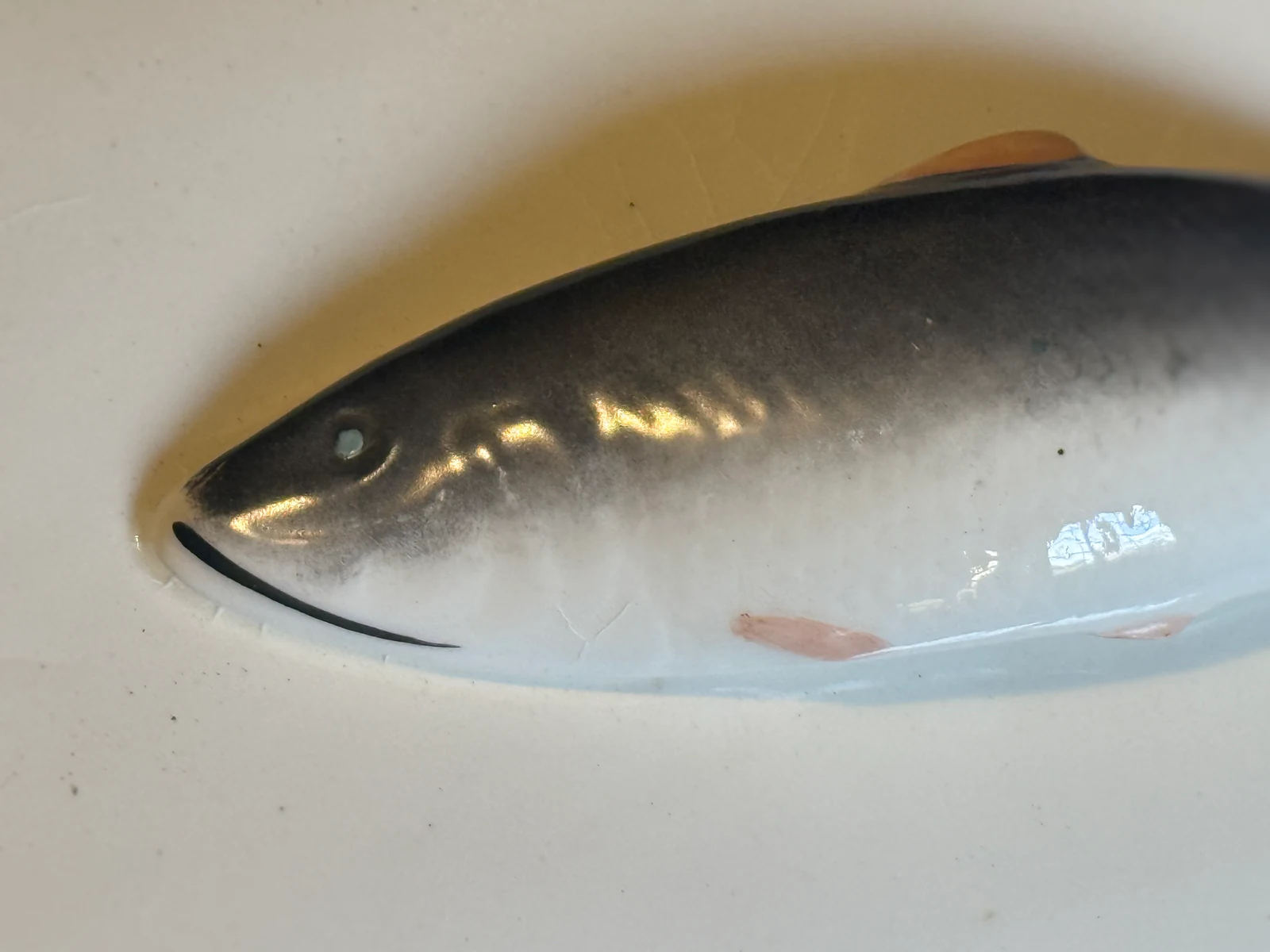
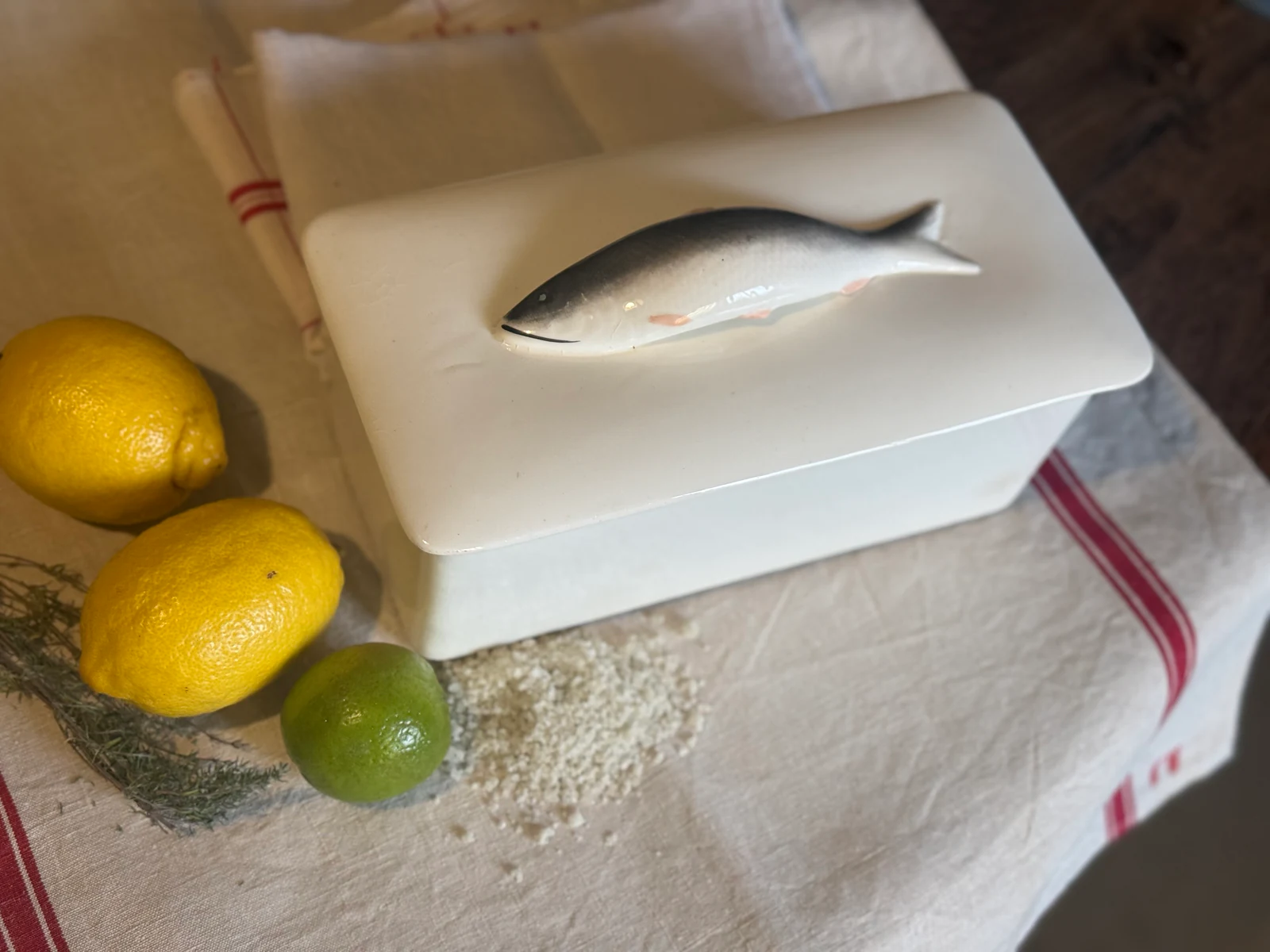
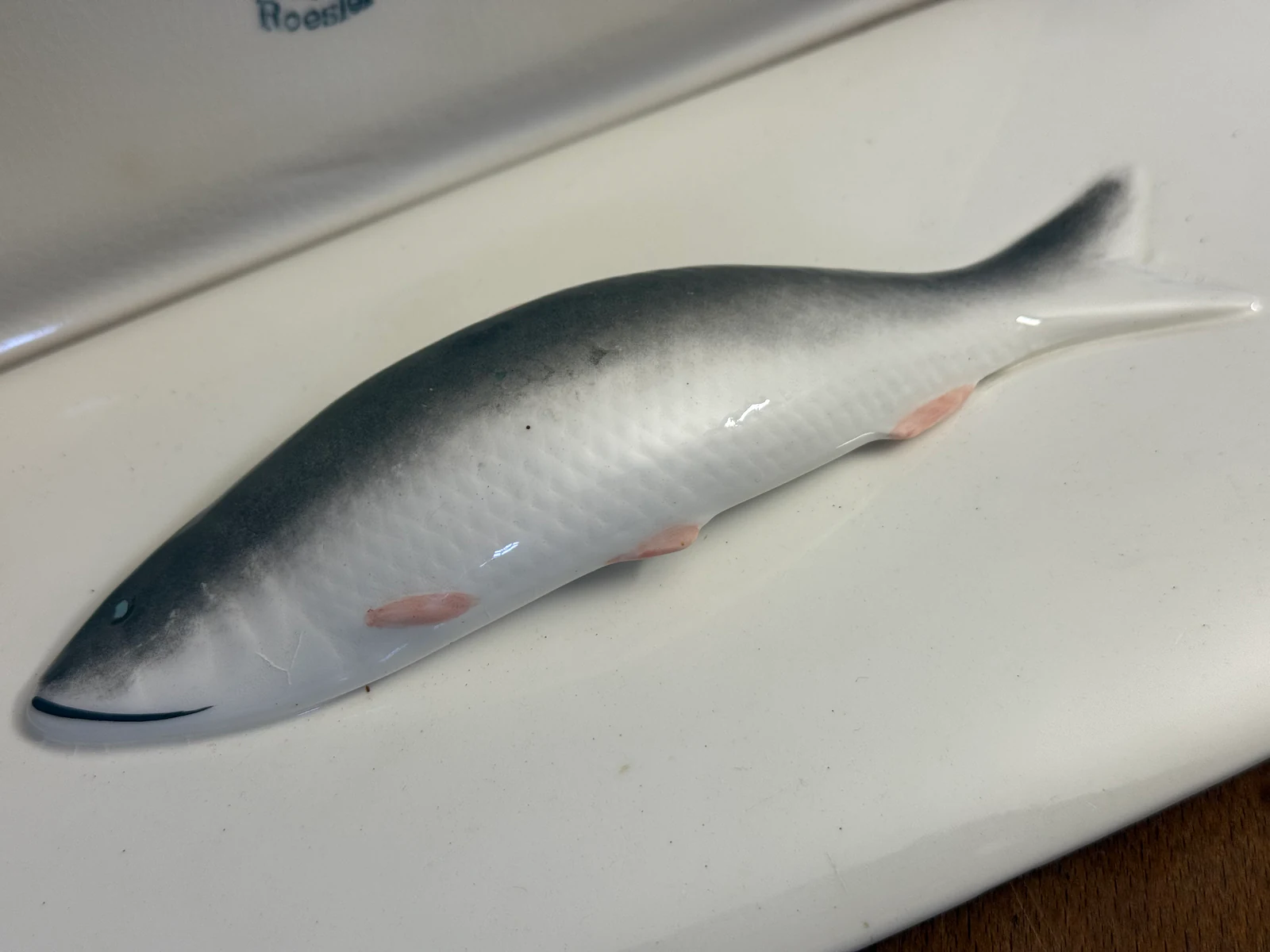
A charming fine faience sardine dish by Max Roesler, made in Rodach, Bavaria, in the 1920s. Its lid is crowned with a delicately modelled fish in relief, picked out in blue-grey and pink. As decorative as it is practical, it sits perfectly between the refined table and the...
☞ Read more
Set it aside — it may be waiting for you
♯table-arts ♯animal-ceramics ♯fish ♯max-roesler ♯rodach ♯faience-tin-glazed-earthenware
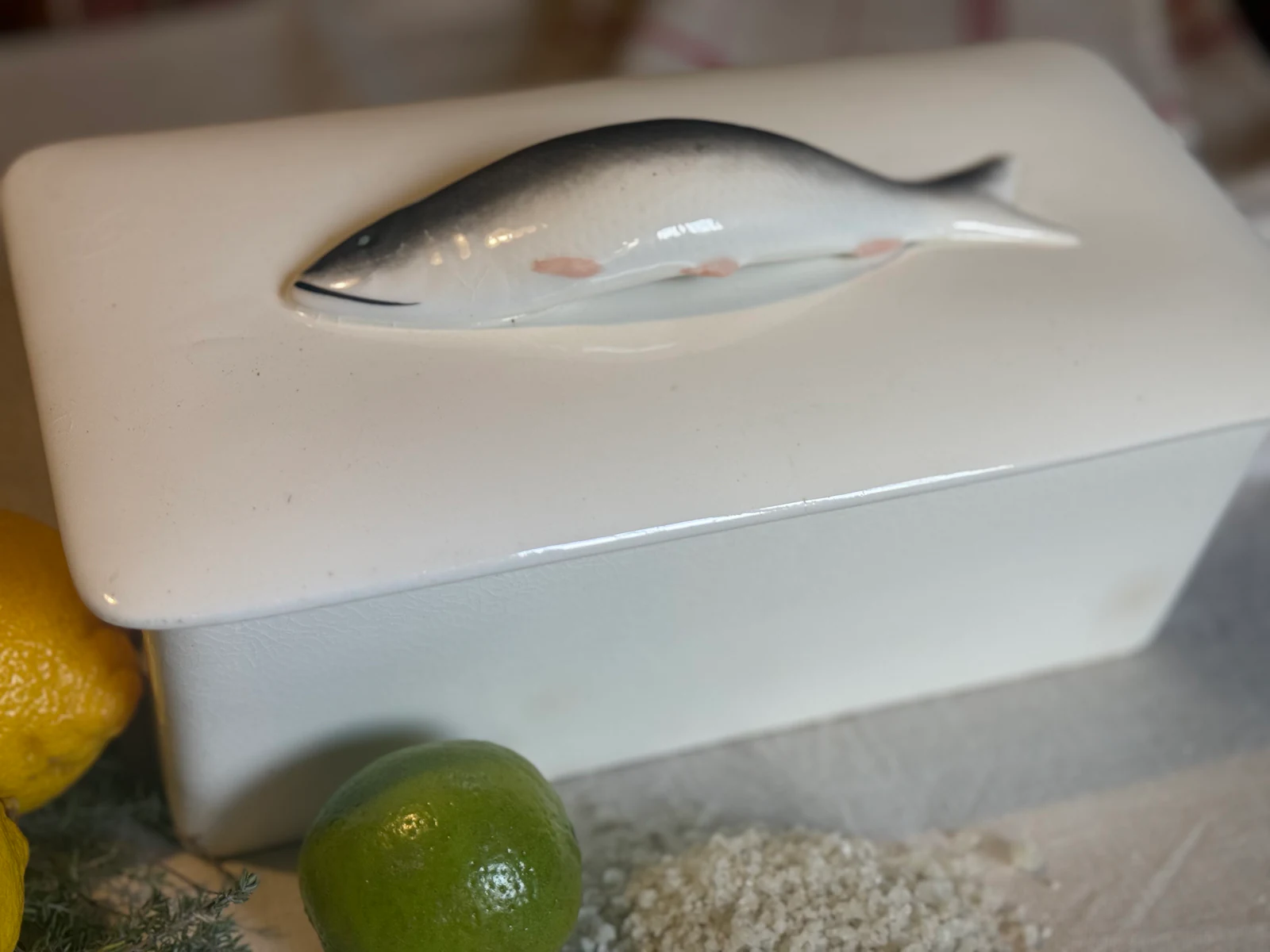
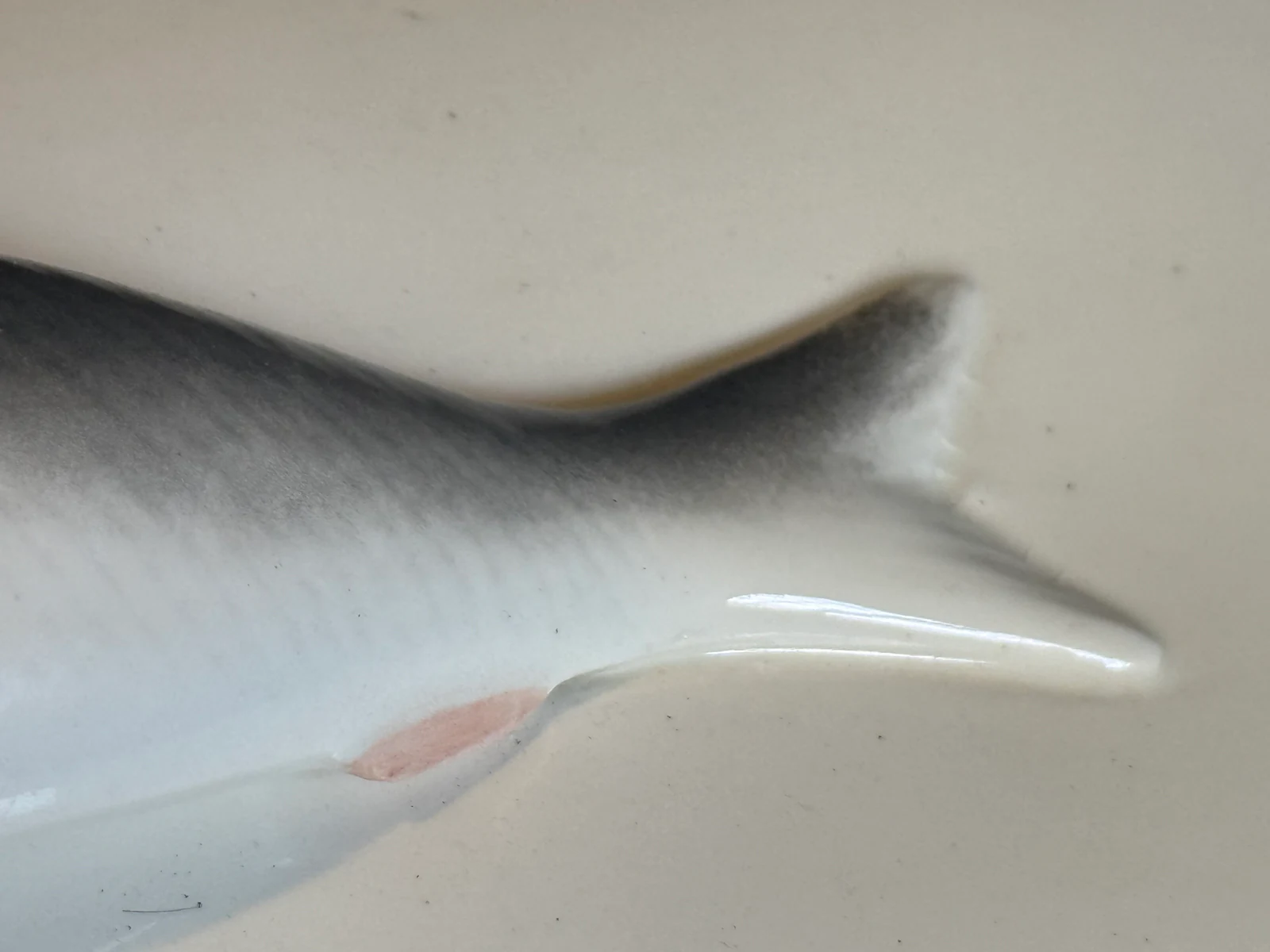
A charming fine faience sardine dish by Max Roesler, made in Rodach, Bavaria, in the 1920s. Its lid is crowned with a delicately modelled fish in relief, picked out in blue-grey and pink. As decorative as it is practical, it sits perfectly between the refined table and the vintage flea-market spirit.
❝A silver fish sculpted on a pristine lid: the quiet elegance of a Roaring Twenties table. ❞
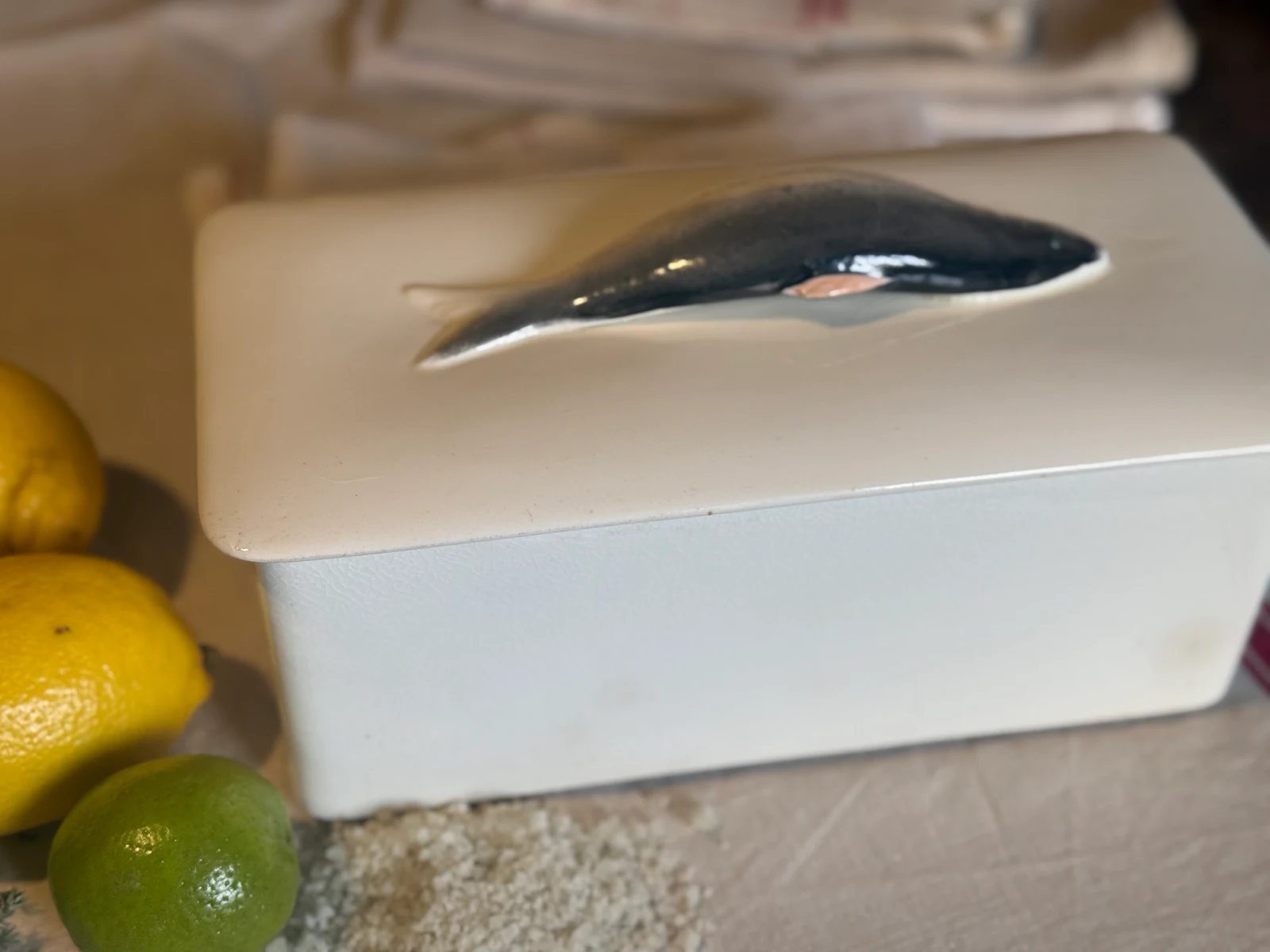
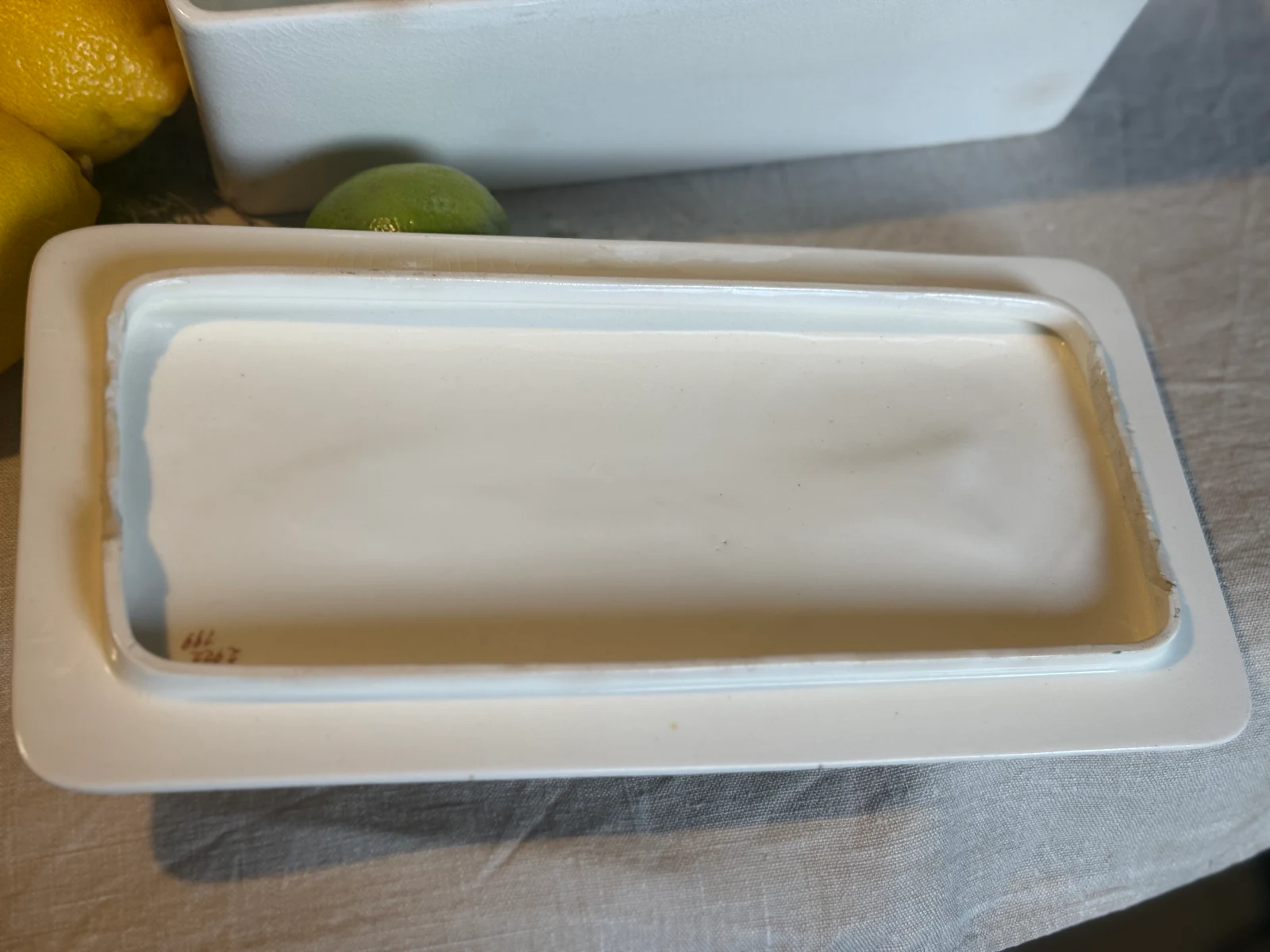
Set on an old-fashioned tablecloth, this sardine dish reveals its charm at once: a fine faience lid in ivory white, on which a fish has been modelled in relief and delicately picked out in blue-grey and pale pink. Understated yet full of character, it breathes the elegance of tableware from the Roaring Twenties.
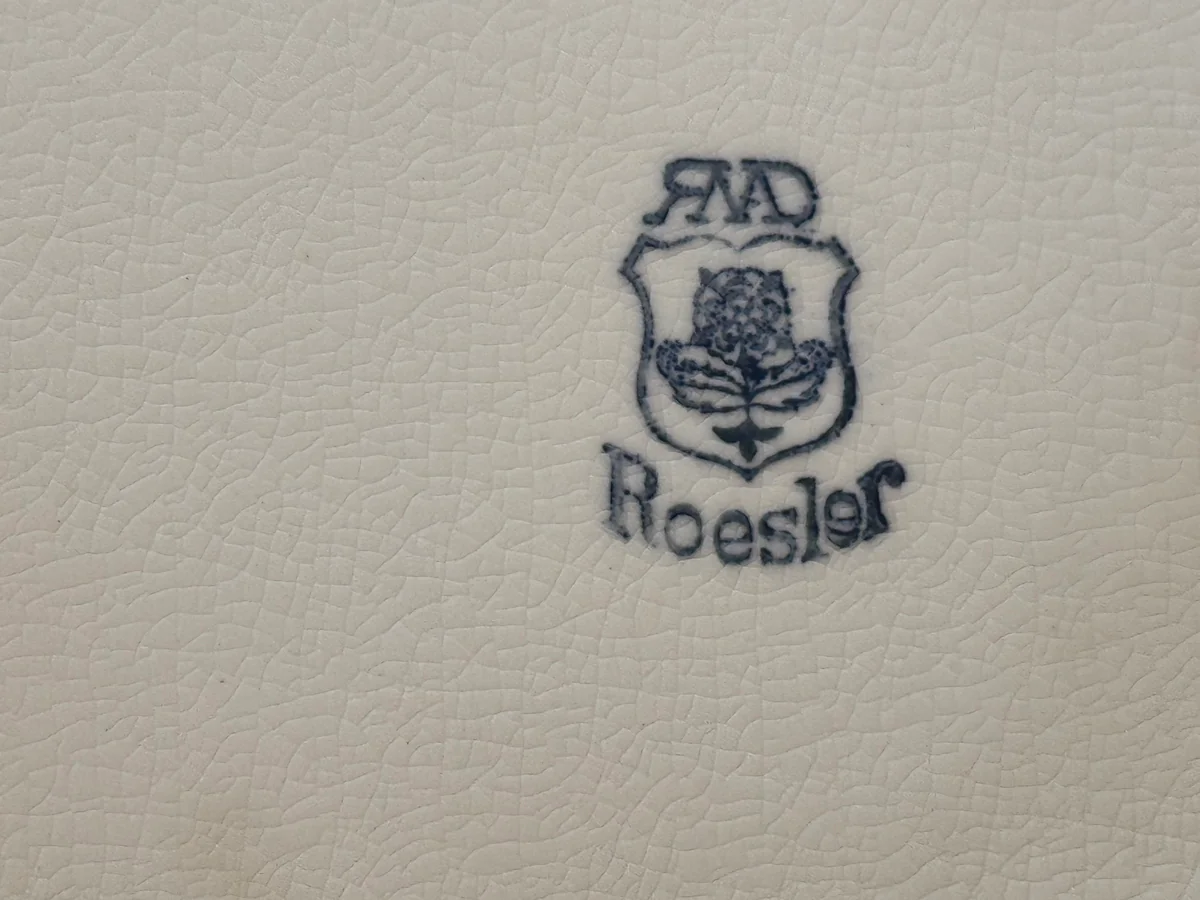
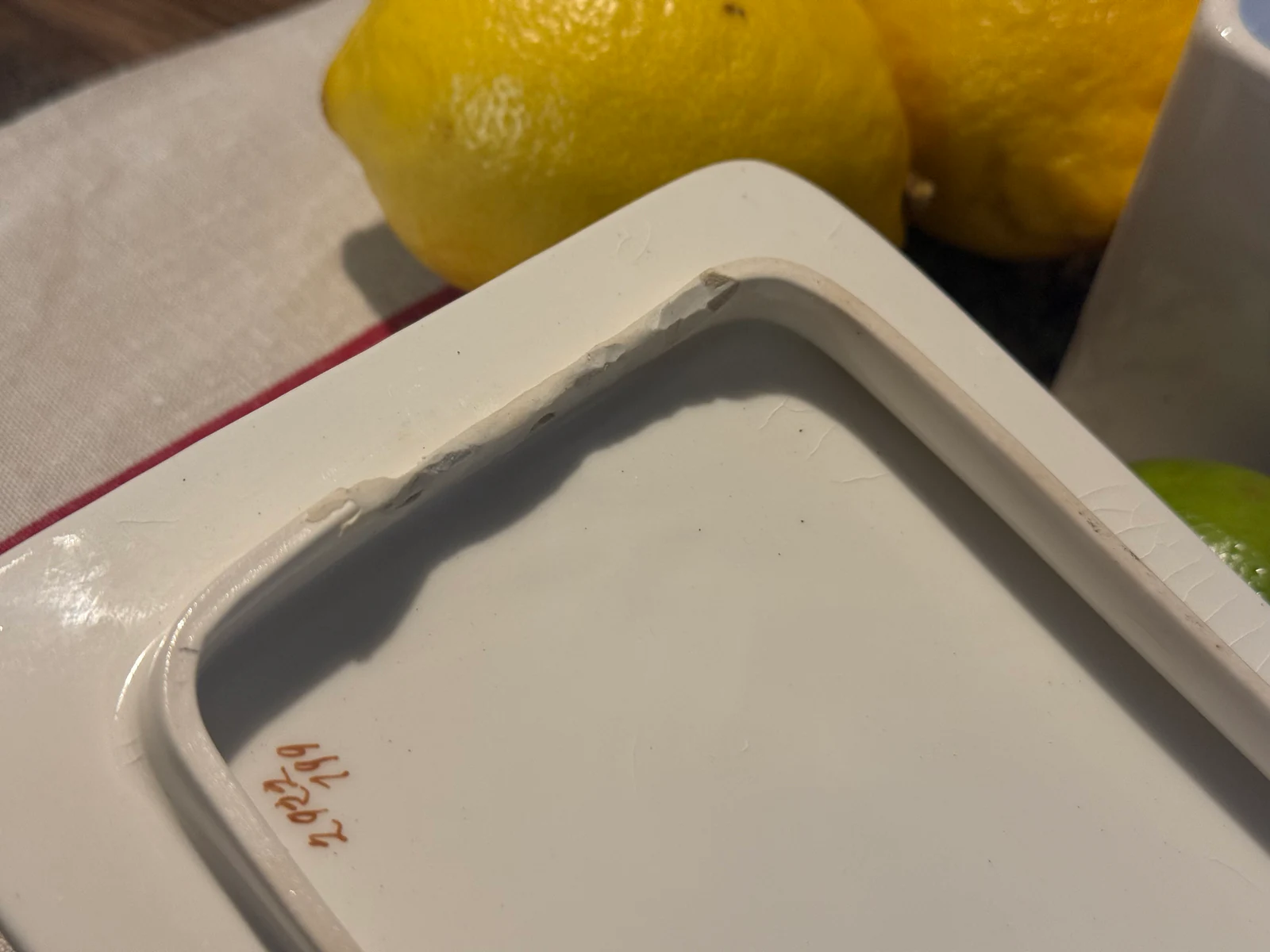
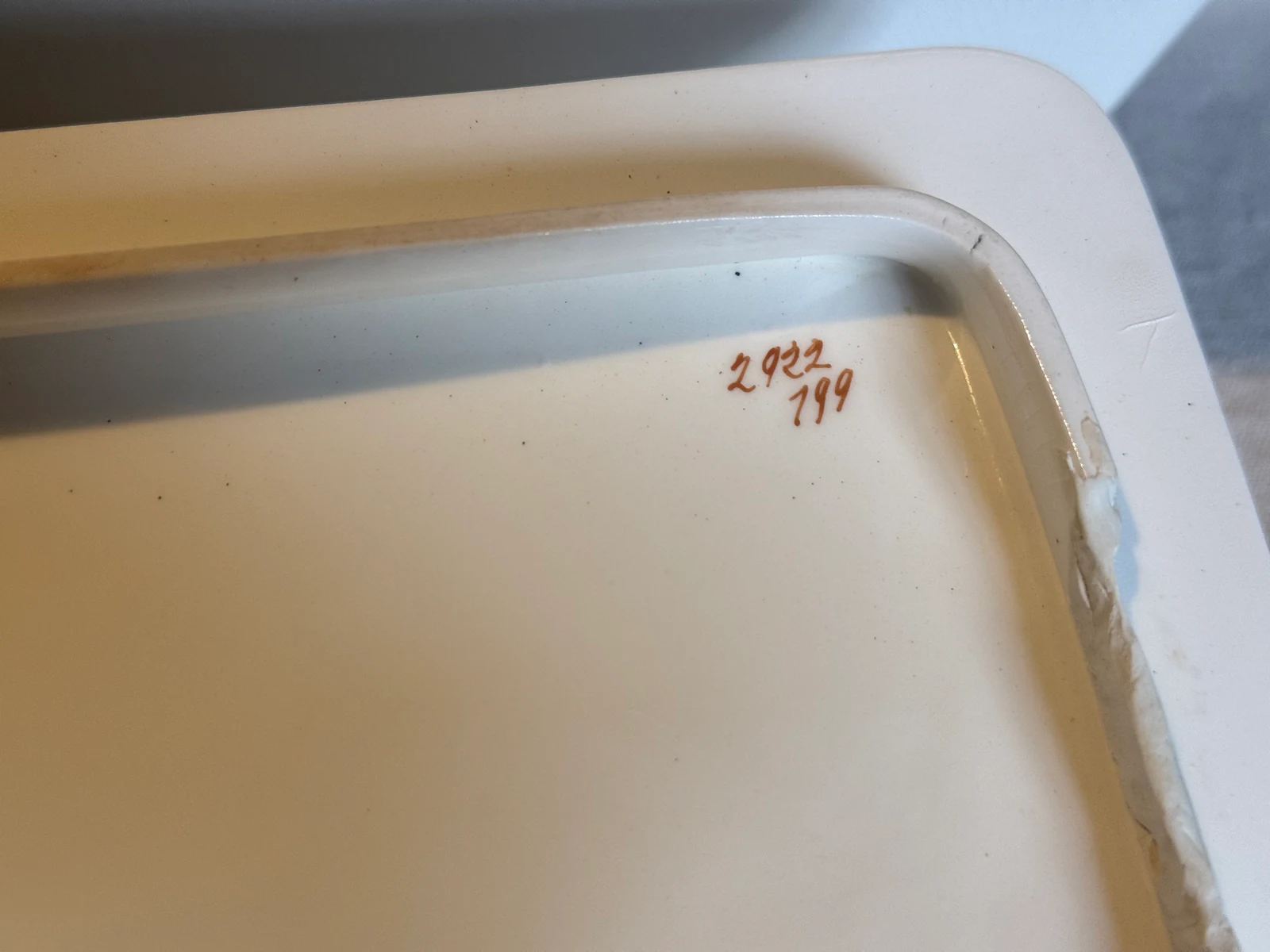
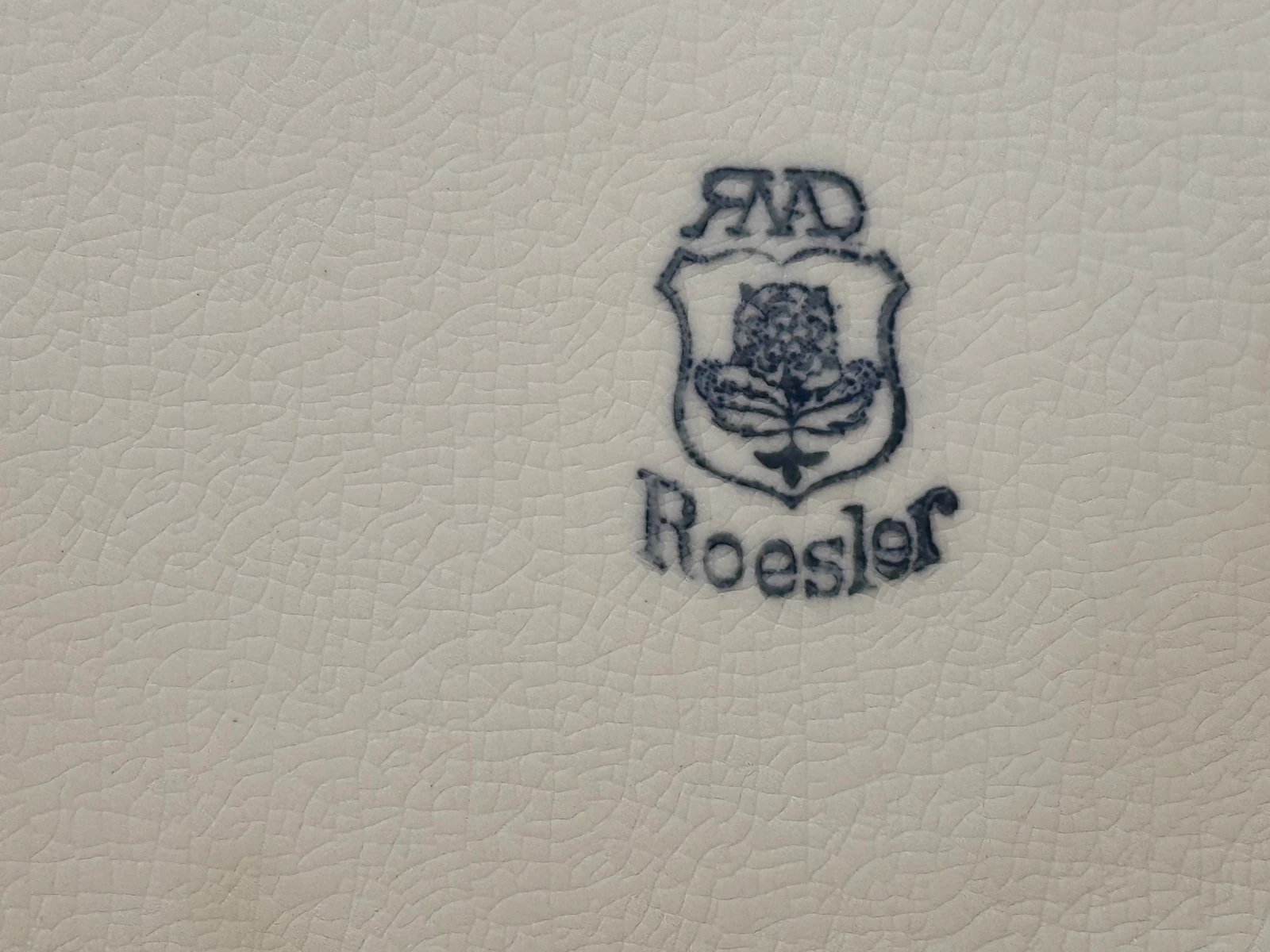
Founded in Bavaria in the second half of the 19th century, the Max Roesler fine faience works in Rodach earned its reputation through the quality of its clay and the finesse of its decoration. The mark printed under the piece – a crowned shield with a floral motif, topped by "RMD" and accompanied by the name "Roesler" – confirms this careful production, now sought after by collectors.
The sardine dish is a serving piece for sardines, anchovies or marinated mackerel. Its lid protects the contents and, once in place, hints at the marine silhouette that gives it all its character. Functional and decorative in equal measure, it naturally finds its place on a festive table, a summer buffet or in a collector's kitchen.
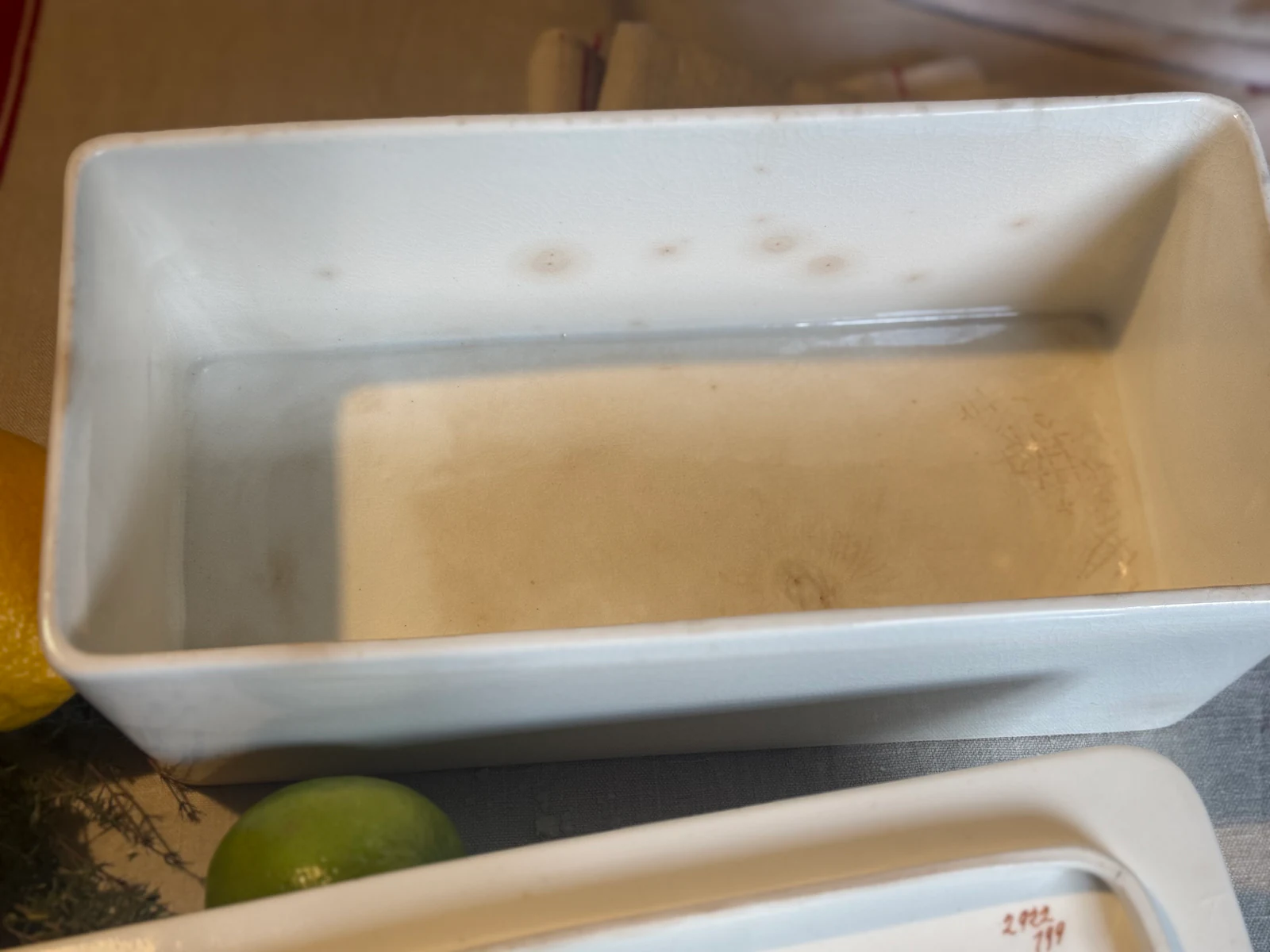
Even empty, the piece delights: its luminous whiteness, its fish sculpted like a jewel and its clean rectangular line make it a little treasure to display on a shelf, in a dresser or on a kitchen sideboard. It pairs beautifully with old plates, mismatched stemmed glasses and silver-plated cutlery.
Max Roesler faience stands the test of time without losing any of its splendour. This example, marked and perfectly identifiable, will delight lovers of German ceramics, tableware hunters and anyone who appreciates objects that are at once beautiful, useful and steeped in history.
Max Roesler fine faience manufactory, Rodach (now Bad Rodach), Bavaria, Germany, 1920s.
Why this sardine dish is a must-have
- A fish sculpted in relief that gives the piece all its magic
- The prestigious signature of the Max Roesler manufactory in Rodach
- An authentic 1920s piece, marked and identifiable
- An object that is both useful and decorative, perfect on a summer table
- The chance to enrich a collection of German ceramics with real character
Set it aside — it may be waiting for you